netlapok

Business Products & Services

Finding Similarities Between and Life

Understanding Auto Repair: A Comprehensive Guide

Auto repair is a necessary aspect of vehicle ownership that ensures your car remains safe and functional on the road. Whether you have a brand-new car or an old classic, understanding the basics of auto repair can help you maintain your vehicle better and avoid costly repairs in the future. In this guide, we’ll explore key aspects of auto repair, common issues, maintenance practices, and the importance of choosing the right mechanic.

One of the most common reasons for auto repair is regular wear and tear. Components such as brakes, tires, and batteries have a limited lifespan and require periodic replacement. It’s essential to keep an eye on these parts and address any symptoms of wear early, such as strange noises or reduced performance. Regular inspections and maintenance can help identify potential issues before they escalate into larger problems.

Another crucial element of auto repair is understanding the warning signs that indicate your vehicle needs attention. Dashboard warning lights, unusual vibrations, and fluid leaks are just a few signs that something might be wrong. Familiarizing yourself with your vehicle’s owner’s manual can help you understand what these signs mean and when it’s time to seek professional help. Ignoring these warnings can lead to more significant damage and higher repair costs down the line.

Choosing the right mechanic is often as important as knowing about auto repairs. Look for a reputable repair shop with certified technicians and positive customer reviews. Asking friends and family for recommendations can also lead you to trustworthy service providers. A good mechanic will communicate clearly, provide transparent pricing, and offer warranties on their work, ensuring peace of mind for vehicle owners.

In conclusion, auto repair is an essential part of vehicle maintenance that no car owner should overlook. By understanding common issues, recognizing warning signs, and selecting the right mechanic, you can ensure your vehicle remains in top condition for years to come. Regular maintenance not only extends the life of your car but also enhances safety and performance, making it a worthwhile investment for every driver.

A Beginners Guide To

The Path To Finding Better

Short Course on – Covering The Basics

Over time, the cooling industry has undergone major changes, largely due to rising temperatures, growing cities, and a stronger need for consistent cooling systems. At the center of this transformation stands the experienced o general ac distributor, whose role extends far beyond supplying machines to customers. They are not just suppliers; they serve as advisors, brand ambassadors, and long-term support providers for households and businesses relying on efficient cooling.

The role of distributors has become critical as the air-conditioning industry grows more advanced and competitive. Customers today expect higher performance, better durability, and consistent after-sales support. The o general ac distributor helps fulfill these expectations by maintaining product availability, coordinating installations, and offering technical assistance. Without their involvement, even top-performing brands like O General would struggle to reach customers effectively.

The strong reputation of O General in hot regions can be traced largely to the authorized o general ac dealer networks that support the brand. Consumers often rely on these distributors for truthful information, proper installation, warranty handling, and long-term service. This is especially true in areas where high temperatures make cooling indispensable. The distributor ensures that each customer receives a genuine product, free from counterfeit risks, and backed by professional assistance.

Managing the supply chain is a major responsibility for any o general ac distributor. They must track seasonal demands, anticipate shortages, and maintain inventory levels that can support residential and commercial needs. Their knowledge of cooling requirements helps customers choose models that fit their room sizes, budgets, and preferences. By educating buyers about energy consumption, cooling capacity, and maintenance, the distributor acts as a guide that simplifies the decision-making process.

The growth of brands such as Midea has strengthened the cooling industry even further. The midea ac supplier brings to the market a different approach, often focusing on affordability, energy efficiency, and user-friendly technology. This gives consumers more options and encourages o general ac dealer networks to enhance their service quality. Competition ensures that buyers access a well-rounded selection of cooling systems, enabling them to balance performance and cost as needed.

A major reason why customers trust an o general ac dealer is the consistency of product performance. O General air conditioners are engineered for tough conditions, making them ideal for regions where temperatures rise significantly. Their reputation for durability reduces the total cost of ownership because customers spend less on repairs and replacements. This reliability gives distributors a strong foundation for building customer confidence. Instead of focusing on aggressive sales tactics, they can rely on the strength of the product itself to win customers. When consumers see the long-term performance of these systems, they often return for additional purchases or upgrades. This reinforces the brand’s position in the market.

Another aspect that strengthens the role of distributors is the growing trend of environmentally conscious customers. More people are seeking energy-efficient air-conditioning solutions that reduce electricity consumption and environmental impact. Although O General has been known for strong cooling capacity, it has also invested in developing energy-saving technologies. Distributors help customers understand these technologies and choose models that balance performance with eco-friendliness. Meanwhile, the presence of brands like Midea, which is well-known for its energy-efficient models, intensifies consumer interest in sustainability. With a midea ac supplier and an o general ac distributor both educating consumers on energy ratings and efficiency features, the overall industry becomes more informed and eco-conscious.

During high-demand seasons, the efficiency of the o general ac distributor becomes even more crucial. Heatwaves and construction booms often cause sudden spikes in AC purchases. Reliable distributors maintain fast delivery times, reducing delays that could affect customer comfort or construction timelines. Contractors and HVAC technicians depend heavily on distributors who provide consistent stock and dependable service. These partnerships often last for years, strengthened by trust and efficient communication.

Installation quality is another major factor in determining AC performance. Even the most advanced units will underperform if installed incorrectly. A professional o general ac dealer ensures installation is handled by certified technicians who understand manufacturer guidelines. They consider room structure, airflow, insulation, and placement to maximize cooling efficiency. This reduces long-term issues, such as leaks, noise, or energy waste.

Maintenance and after-sales support remain pillars of customer satisfaction. A strong o general ac distributor provides services such as cleaning, inspection, repairs, and periodic maintenance. Customers want reassurance that help is available when needed. When service teams respond quickly and professionally, customer loyalty strengthens, and the distributor’s reputation grows. Many customers return to the same distributor for additional purchases over time because of the dependable service they receive.

Digital transformation has introduced new tools that help distributors operate more efficiently. Many o general ac dealer networks now use online platforms to display available models, publish prices, and guide customers. Inventory systems are digitized to help track stock levels accurately. Consumers can now schedule installation appointments, request service, or submit warranty queries online. Social media visibility increases awareness of product features, promotions, and brand updates. These digital features enhance convenience and build stronger connections between distributors and their customers.

The collaboration between manufacturers and distributors forms the backbone of the cooling industry. While O General focuses on designing durable, powerful systems, the distributor ensures they are delivered, installed, and maintained properly. This partnership allows each party to focus on what they do best. Distributors bridge the gap between technology and customer experience, reinforcing product reliability through outstanding support.

One reason customers gravitate toward O General is the product’s long-term performance. These units handle extreme weather conditions, making them ideal for regions with intense heat. A dependable o general ac distributor uses this advantage to build trust. Instead of convincing customers through marketing alone, they rely on the proven performance of O General’s systems. Satisfied customers often spread positive experiences, helping the distributor strengthen its local presence.

The shift toward energy-efficient solutions has also influenced the market. Consumers now want cooling systems that reduce electricity bills and environmental impact. Distributors help customers understand these features, from inverter technology to eco-friendly refrigerants. Meanwhile, the midea ac supplier contributes by offering models that focus heavily on affordability and low energy consumption. This diversity makes the cooling industry more adaptable and customer-friendly.

As climate conditions fluctuate and populations continue to grow, the demand for air-conditioning is expected to rise. Distributors must stay informed about emerging technologies, such as smart cooling, mobile connectivity, automated climate control, and greener refrigerants. Their ability to communicate these advancements ensures customers make well-informed decisions. The o general ac dealer who stays ahead of trends will always remain relevant.

In conclusion, the o general ac distributor is far more than a simple supplier. They are the foundation of the cooling industry’s growth, ensuring customers receive reliable products, professional installation, honest guidance, and strong after-sales support. Working alongside the midea ac supplier, they create a cooling marketplace that caters to all budgets and needs. As innovation continues, these distributors will remain essential partners, delivering comfort, durability, and long-term value to every consumer seeking dependable cooling solutions.

The 9 Most Unanswered Questions about

Stay Cool, Save Money: How to Choose the Right AC Supplier for Your Needs

The ac supplier you choose has a direct influence on your comfort levels, financial spending, and the system’s durability. When it’s time to invest in an air conditioner, the power of choice lies entirely in your hands. Working with a reliable supplier helps lower your energy costs, minimizes repair issues, and ensures you get a system tailored for your needs. View the selection of your ac supplier as a long-term investment instead of a rushed buying decision.

Explore air conditioning systems and what they mean for your budget

Evaluate whether a ducted air conditioner, split unit, or all-in-one package best complements your property layout and cost limits. Split systems suit single rooms and smaller apartments. Ducted systems work best for whole-house climate control. Packaged AC units cater to spacious commercial environments or open-plan interiors. Compare estimated running costs, not just sticker price, because energy efficiency determines most of the lifetime expense.

Assess a supplier’s credibility and the breadth of their offerings

Look for suppliers that offer clear warranties, certified technicians, and transparent installation terms. Confirm whether the supplier handles installation, commissioning, and aftercare or only ships equipment. If you plan a larger project, partner with a supplier that coordinates site surveys, load calculations, and compliance paperwork. Review past client feedback or project samples to evaluate the supplier’s reliability.

Important inquiries to make before your AC installation

Your installation expert determines the overall effectiveness of your cooling system. Ask whether the supplier conducts a full site assessment and uses industry-standard calculations to size the unit. Check the project’s timeline and ask for a written document detailing the full installation plan. Ensure the chosen location for indoor and outdoor units allows proper airflow and service access. Insist on tidy, regulation-compliant wiring and refrigerant lines to keep your AC running efficiently and safely.

Compare parts, warranties, and spare parts availability

A strong supplier guarantees parts availability and supports warranty claims. Verify warranty length for compressors and other key components and learn the process for filing claims. Confirm how quickly the supplier can deliver replacement parts and whether they stock common spares locally. Fast parts access reduces downtime and prevents emergency replacements that drive up costs.

Balance energy efficiency with upfront price

While efficient models may have steeper prices, they pay off through lower utility bills. Review the seasonal energy performance metrics supplied by the vendor and estimate annual running costs for your specific climate and usage pattern. If you plan to keep the system for many years, prioritize efficiency and better components. When short-term needs matter more, pick a unit that fits your actual consumption, not just premium features.

How preventive service keeps your AC efficient

Routine maintenance extends equipment life and preserves efficiency. Ask whether the supplier offers scheduled maintenance plans and what those plans cover. Find out how quickly the supplier responds to urgent issues and whether maintenance covers vital procedures like filter replacement and refrigerant tests. A supplier with a proactive maintenance program helps you avoid major repairs and unexpected failures.

Local support beats distant promises

Nearby ac suppliers deliver prompt assistance and understand the climate-specific challenges of your area. Opt for a company with service personnel stationed close to your location for faster support. Local installers anticipate site-specific issues and handle them efficiently compared to distant suppliers.

Trust but verify when reading supplier reviews

Online reviews can highlight a supplier’s reputation, yet always confirm essential details independently. Back up reviews with tangible proof such as verified photos or direct reference calls. Require proof such as written data or case histories before believing claims of superior efficiency.

Use keywords strategically (for SEO-conscious content)

When searching online, using keywords such as o general ac supplier or o general ac distributor helps you discover regional dealers. Add your city’s name or project details to the keyword ac supplier to locate relevant businesses. Mix these keywords with phrases like maintenance, installation, or service support to uncover trustworthy suppliers.

What to watch out for when selecting your AC supplier

Avoid suppliers who refuse in-home site assessments or who give vague answers about warranty support. Avoid ac suppliers who offer suspiciously low quotes or demand quick commitments without proper documentation. A supplier without trained staff, references, or a service base often signals unreliability.

Things to confirm before closing your AC deal

Ensure your supplier calculates correct capacity and recommends the right system size. Confirm your technicians meet certification standards and follow proper installation procedures. Evaluate warranties alongside how easily spare parts can be sourced.
Look over service plans and the supplier’s responsiveness in emergencies. Get a written, itemized quote and a clear timeline.

Choosing the right ac supplier makes a measurable difference to comfort, cost, and peace of mind. Apply the listed guidelines and search tips-like o general ac supplier, o general ac distributor, or ac supplier with your city-to connect with dependable suppliers who offer quality products and exceptional service.

How to Processing Blown Film Extrusion

A Comprehensive Guide to Processing Blown Film Extrusion

Understanding Blown Film Extrusion

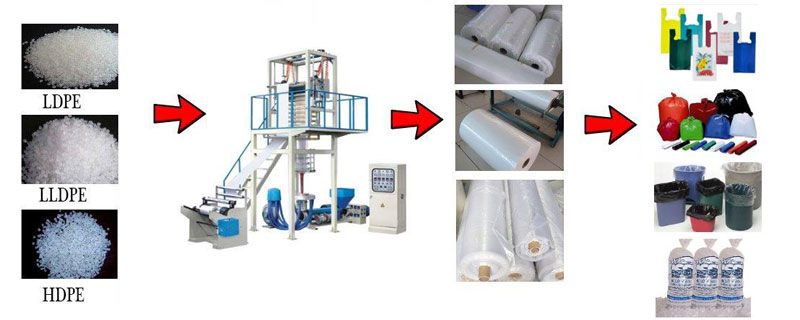
Blown film extrusion is a widely used process in the manufacturing of plastic films, particularly polyethylene-based products. This method involves the melting of plastic resin, which is then forced through a die to form a thin tube. The tube is subsequently inflated to create a bubble, which is cooled and flattened into a continuous film. One of the key pieces of equipment in this process is the film blowing machine, which consists of several components including the extruder, die, and cooling ring. The extruder plays a crucial role as it melts the plastic pellets and drives the polymer through the die, while the cooling ring helps in solidifying the blown film as it exits the die.

What sets blown film extrusion apart from other forms of film extrusion is its ability to produce films with a wide range of thicknesses and properties. This versatility allows manufacturers to tailor the film to meet specific application requirements, such as strength, clarity, and barrier properties. The unique design of the film blowing machine enables the production of tubular films, which can be easily converted into various plastic bag formats, including grocery bags, trash bags, and packaging materials. Moreover, the air introduced during the blowing process allows for an even distribution of properties across the film, making it suitable for different types of packaging applications in diverse industries.

Blown film extrusion is particularly favored for its efficiency and the high quality of the film produced. The process is generally faster than other extrusion methods, reducing production time and costs. Additionally, advancements in technology have improved the performance of blown film machines, allowing for better control over the film’s physical characteristics. Overall, blown film extrusion remains an essential process in plastic manufacturing, providing a key solution for the growing demand for polyethylene films in various sectors.

Key Variables in Blown Film Extrusion

The blown film extrusion process is complex, influenced by various key variables that play a crucial role in determining the quality and performance of the final plastic film product, such as polyethylene. Understanding these factors is essential for optimizing the efficiency of production and ensuring a satisfactory outcome for applications, including plastic bags and other packaging materials.
blown film extrusion

One of the primary variables is temperature control during the extrusion process. The temperature affects the viscosity of the molten polymer, influencing how well the material can flow through the film blowing machine. An optimal temperature must be maintained to achieve a uniform thickness and good clarity in the plastic film. Deviations can lead to issues such as uneven film thickness or reduced mechanical properties, impacting the overall film quality.

Extruder speed is another pivotal factor in the blown film extrusion process. A higher extruder speed can accelerate production but may cause challenges in achieving the desired film properties. Conversely, lower speeds could enhance the quality of the film product but may also result in reduced output. Therefore, a balance must be struck to maximize efficiency while ensuring that the final product meets stringent quality standards.

The die gap, or the distance between the die lips where the plastic is extruded, also significantly influences the outcome of the film blowing process. A correctly set die gap is essential to produce films of uniform thickness, which is vital for applications where even mechanical strength and barrier properties are necessary.

Cooling rate is critical as it determines how quickly the extruded film solidifies. This process affects the molecular orientation and crystallinity of the polyethylene, directly influencing the clarity and strength of the final product. Proper cooling facilitates the formation of a strong, uniform film that can be used effectively in various applications.

Lastly, material selection impacts the characteristics of the blown film. Different types of polyethylene may yield varying results in terms of thickness, strength, and clarity. Evaluating material options based on the specific requirements of the desired application is therefore essential in optimizing the blown film extrusion process.

Common Challenges and Solutions in the Process

The process of blown film extrusion, while effective for producing high-quality plastic films, is not without its challenges. Among the most prevalent issues faced by operators are bubble instability, uneven film thickness, and material degradation. Understanding the root causes of these problems and implementing appropriate solutions is essential to ensure a smooth operation and high-quality outputs from the film blowing machine.

Bubble instability is a prominent challenge in blown film extrusion that can lead to defects in plastic bags and other products. This instability is often caused by inconsistent cooling rates, fluctuations in extrusion speed, or variations in polymer viscosity. To mitigate this issue, it is crucial to maintain a stable melt temperature, optimize the cooling air flow, and ensure that the die gap is uniform. Monitoring and adjusting these parameters can help stabilize the bubble and result in a more uniform plastic film.

Uneven film thickness can also pose significant challenges in production. This issue often arises due to non-uniform die thickness or irregularities in the melt flow rate. To overcome this problem, manufacturers should regularly calibrate their film blowing machines and utilize advanced die designs that promote even material distribution. Additionally, employing real-time thickness measurement technology can provide valuable data that guides immediate adjustments, leading to improved consistency in the final product.

Finally, material degradation can compromise the integrity of the polyethylene used in the blown film extrusion process. High temperatures and prolonged residence times in the extruder may lead to thermal degradation. To combat this, it is vital to monitor processing temperatures and minimize residence time. Utilizing high-quality resin with good thermal stability and ensuring proper maintenance of the extrusion equipment can also reduce the likelihood of material degradation.

By proactively addressing these common challenges in blown film extrusion, operators can enhance the production process and achieve higher-quality plastic films, which are crucial for various applications.

Future Trends in Blown Film Extrusion Technology

The blown film extrusion process has witnessed significant advancements in recent years, showcasing a continuous evolution toward greater efficiency and sustainability. With increasing global concern for environmental issues, one of the most prominent trends is the use of sustainable materials in manufacturing plastic film. Companies are exploring bio-based polymers and recycled polyethylene to reduce their ecological footprint. This shift not only aligns with regulatory requirements but also meets the rising demand for eco-friendly plastic bags and packaging solutions from consumers.

Automation plays a critical role in enhancing the blown film extrusion process. The integration of advanced technologies, such as Industry 4.0 solutions, enables manufacturers to improve production efficiency. Automated controls and monitoring systems allow for real-time adjustments in the extrusion process, thus enhancing the quality of the plastic film produced. Moreover, this increased automation helps in minimizing human errors and reducing operational costs, making it an attractive prospect for new and existing manufacturers of film blowing machines.

Energy efficiency is another key trend shaping the future of blown film extrusion technology. The adoption of energy-saving technologies and practices within the extrusion process not only lowers energy consumption but also boosts the bottom line for manufacturers. Innovations in machine design and the introduction of smarter equipment that optimizes energy use during production are becoming essential for companies aiming to remain competitive in a crowded marketplace.

Lastly, ongoing developments in film properties, such as enhanced barrier features and improved mechanical strength, are increasingly critical. Manufacturers are innovating formulations to create polyethylene producing multi-layer films that offer superior performance. These advances contribute to the versatility of plastic films in various applications, ensuring that they meet specific market demands. As blown film extrusion continues to advance, it is essential for industry players to stay abreast of these trends to leverage emerging technologies effectively.

Powered by Wordpress. Redesign Theme by RT